Grocery Delivery Order Accuracy
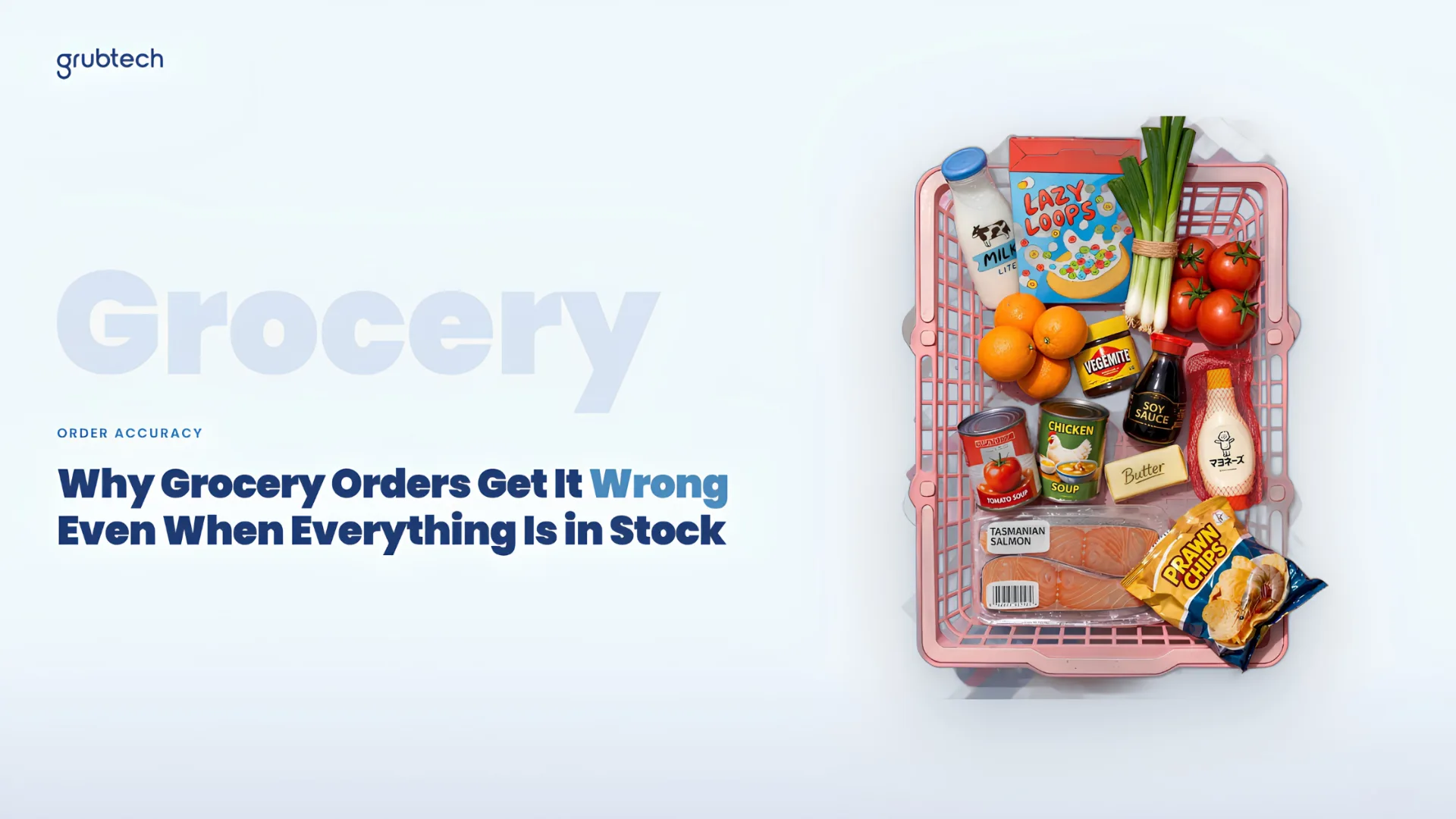
Grocery delivery order accuracy is where most stores on delivery platforms quietly lose their best customers. The item was on the shelf. The stock was confirmed. But somewhere between the order coming in and the bag leaving the store, something went wrong. A wrong size was grabbed. An item from the wrong category ended up in the bag. A substitution was made without any approval.
The customer ordered correctly. The store had the product. The order still arrived wrong.
That is a picking problem, not a stock problem. And for grocery operators running on Talabat, Deliveroo, Uber Eats, or any delivery aggregator, it is one of the most common and least discussed reasons customers do not order again.
Industry research shows that order accuracy issues account for more than 40% of negative grocery delivery reviews, with most errors traced back to the picking process rather than actual stock unavailability.
The Picking Floor Is Where Grocery Delivery Actually Breaks
Why do grocery delivery orders arrive with wrong items even when everything is in stock?
Most conversations about grocery delivery focus on availability: is the item in stock or not? That is the visible problem. The invisible one happens after stock is confirmed, when someone physically walks the aisles to build the order.
A typical grocery delivery order contains 15 to 30 items spread across multiple sections of the store: ambient shelves, refrigerated aisles, frozen sections, fresh produce. Without a system organizing the picking route and sequencing items by section, the picker makes decisions based on memory and speed.
During a quiet morning with three orders, this is manageable. During a Friday evening with 40 concurrent orders and a delivery window closing in 12 minutes, the margin for error disappears entirely.
Four Ways Picking Goes Wrong Even When Stock Is Available
How do I reduce wrong items in grocery delivery orders from my store?
The picking process creates specific failure points that repeat across every grocery operation running without a connected order management system:
- Wrong size or variant selected. A customer ordered 1 liter of full fat milk. The picker grabbed the 500ml version because it was in front. The stock was there. The order was still wrong.
- No route logic means backtracking and missed items. Without a picking route organized by store section, pickers move back and forth across the aisles. Under time pressure, items get skipped and either missed entirely or grabbed incorrectly at the end.
- Frozen items picked at the wrong time. When an order includes ambient, refrigerated, and frozen products, the sequence matters. If frozen items are picked first and the order takes 20 minutes to complete, those items have been sitting at room temperature the entire time. The stock was perfect. The handling was not.
- Concurrent orders with no separation system. A picker managing three simultaneous orders under time pressure, with no digital system tracking which item belongs to which order, will mix them up. Not from carelessness. Because the process gives them no reliable way to keep them separate.
The picking floor is not where grocery stores run out of stock. It is where they lose the customer's trust. And a customer who receives a wrong order, even once, rarely gives the same store a second chance through the same platform.
How Grocery Stores Can Reduce Order Picking Errors at Scale
How do I manage multiple grocery delivery orders at the same time without mixing up items?
Reducing picking errors at scale requires connecting the order management layer to the picking process itself. When a grocery order arrives from an aggregator, it should automatically generate a picking list organized by store section, sequenced to minimize backtracking and ensure temperature sensitive items are picked last.
The key changes that remove the most common errors:
- Section based picking routes. Items grouped by store zone so the picker moves through the store once in a logical sequence rather than randomly across aisles.
- Item level order separation. Each item tagged to a specific order so concurrent picking never results in products landing in the wrong bag.
- Real time substitution flags. When an item is unavailable or only the wrong variant is on the shelf, the system flags it immediately rather than letting the picker make a judgment call under time pressure.
- Dispatch sequencing by driver arrival. Orders that need to leave first get picked first. The picking floor stops running on instinct and starts running on live data from the dispatch layer.
What Changes for Grocery Operators When Picking Connects to Order Management
Where can I find a system to manage grocery order picking and delivery accuracy in one place?
The most immediate result is accuracy. When the picking process is structured by the same system managing incoming orders, the gap between what the customer ordered and what lands in the bag closes significantly.
The second result is speed. A picker working from a section organized digital list moves faster than one working from memory or a handwritten sheet. Faster picking means more orders fulfilled within the delivery window, fewer late orders, and fewer complaints reaching the aggregator rating.
The third result is visibility. When picking connects to order management, grocery operators can see exactly where errors occur: which product categories generate the most substitution flags, which time windows create the most concurrent order conflicts, and which locations have the highest error rates. That data turns a recurring problem into a solvable one.
Across 16,000+ live locations in 28+ countries, grubtech connects grocery and retail operators to 350+ integration partners through a unified order management platform.
Accurate Fulfillment Is Not a Training Issue. It Is an Infrastructure Issue.
Your shelf was ready. Your picking process needs to be too.
The customer did not order the wrong thing. The stock was there. The failure happened in the 12 minutes between order confirmed and bag packed, on a picking floor running without the right system underneath it.
Getting grocery delivery right is not about more stock or more staff. It is about making the picking process as connected and structured as the order that started it.
The shelf is always ready.
Now make the picking floor ready too.